N A N O P R O B E S E - N E W S
Vol. 9, No. 3 March 31, 2008
Updated: March 31, 2008
In this Issue:
|
This monthly newsletter is to inform you about techniques to improve your immunogold labeling, highlight interesting articles and novel applications of metal nanoparticles, and answer your questions. We hope you enjoy it and find it useful; as always, let us know if we can improve anything.
. . . . . . . . . . . . . . . . . . . . . . . . . . . . . . . .
Nanogold®-Fab' for CryoEM: Smaller is BetterNanogold® antibody conjugates with HQ Silver are formulated to provide the most uniform development, with the least ultrastructural perturbation. HQ Silver contains a protective colloid to control diffusion of the reactive species and ensure uniform enlargement of the highest proportion of particles. It also has near-neutral pH and low ionic strength, providing excellent ultrastructural preservation and making it ideal for electron microscopy applications where labeling density, size uniformity and specimen ultrastructural preservation are critical. Use these reagents for:
|
Nanogold-Fab' is the smallest commercially available immunogold probe for TEM use; the Fab' fragment is only one-third the size of a whole IgG molecule, and because the Nanogold particle does not require stabilization by additional macromolecules, it does not add greatly to probe size. Comparison of size and resolution for Nanogold-Fab' with 5 nm colloidal gold, and an example of the results that are obtained using Nanogold labeling with HQ Silver for pre-embedding EM labeling, are shown below.
| Upper: Size comparison of Nanogold-Fab' with conventional 5 nm colloidal gold-IgG probe, showing overall probe size and distance of gold from target. lower left: Scanning transmission electron micrograph of Nanogold-labeled Fab', showing attachment of the Nanogold at the hinge region of the Fab' (image width 86 nm). lower right: Nanogold®-Fab' goat anti-rabbit IgG labeling the K+ channel Kv2.1 subunit in rat brain, followed by HQ Silver (Catalog # 2012) enhancement. Note high density and specificity of immunostaining, even elucidating subunit localization to cytoplasmic side of cell membrane and outer stacks of the Golgi; axons and terminals are clearly negative. Work done by J. Du, J.-H. Tao-Cheng, P. Zerfas, and C. J. McBain, NIH. See Neuroscience, 84, 37-48 (1998). Bar = 1 micron. |
Another application in which Nanogold labeling and HQ Silver enhancement provides excellent results is cryoEM, and the latest demonstration is provided by Anders, Stierhof and group in their recent paper in The Plant Cell, where they use it to analyze the cellular distribution of proteins that are significant in plant cell development.
The GNOM protein plays a fundamental role in Arabidopsis thaliana development by regulating endosome–to–plasma membrane trafficking, required for polar localization of the auxin efflux carrier PIN1. GNOM is a family member of large ARF guanine nucleotide exchange factors (ARF-GEFs), which regulate vesicle formation by activating ARF GTPases on specific membranes in animals, plants, and fungi. However, apart from the catalytic exchange activity of the SEC7 domain, the functional significance of other conserved domains is virtually unknown. The DCB domain of the Arabidopsis thaliana large ARF-GEF GNOM has been suggested to mediate dimerization by homotypic interaction based on yeast two-hybrid and in vitro experiments; the authors investigated experimentally whether the DCB–DCB interaction occurs in vivo by analyzing differentially epitope-tagged GNOM variants for interaction in transgenic plants using two-hybrid assays.
The interaction of the DCB domain with the immunophilin CYP19-4 (CYCLOPHILIN5) in Arabidopsis, suggested by yeast two-hybrid and in vitro interaction assays, might represent the additional function of the DCB domain. Similarly to GNOM, the two mammalian large ARF-GEFs BIG1 and BIG2 interact with the immunophilin FKBP13 in Jurkat T cells via their conserved DCB domains. Mammalian FKBP13 and Arabidopsis CYP19-4 harbor an N-terminal signal for translocation into the endoplasmic reticulum (ER), whereas large ARF-GEFs are localized in the cytosol or to the cytosolic leaflet of target membranes. FKBP13, which harbors an additional ER retention signal, has been reported to localize to the ER lumen. Therefore, the authors assessed the subcellular localization of Myc-tagged CYP19-4, expressed from the RPS5A promoter, using immunofluorescence and immunogold labeling.
Immunogold labeling and electron microscopic analysis of ultrathin thawed cryosections were performed as described in the earlier paper (Völker, Stierhof and Jürgens) referenced below. Roots of 5-day-old plants, grown on 0.5 x Murashige and Skoog (MS) salts, 1% sucrose and 1% Select Agar were fixed with 4% formaldehyde in MTSB buffer (50 mM PIPES, 5 mM MgSO4, and 5 mM EGTA, pH 7.0) for 60 minutes and embedded in 1% agarose. Cells were then infiltrated with 20% (w/v) polyvinylpyrrolidone (MW 10,000; PVP-10) in 1.8 M sucrose, frozen in liquid nitrogen, and sectioned at –85°C (400 nm, semithin) or at –100°C (100 nm, ultrathin) with a S/FCS. Cryosections were transferred to poly-L-lysine-coated coverslips for immunofluorescence, or collected on electron microscopy copper grids. After blocking (1% skim milk/0.5% BSA in phosphate-buffered saline, PBS, pH 7.2), cells were labeled with 9E10 mouse anti-Myc antibody (diluted 1:200) for 60 minutes, then incubated with Nanogold goat-anti-mouse antibody for 60 minutes. This was then silver enhanced with HQ Silver for 8 minutes. Grids were then stained with uranyl acetate and embedded in methyl cellulose (Sigma). Gold-labeled cryosections were viewed using a Philips 201 electron microscope at 60 kV accelerating voltage. For ultrastructural analysis, 5-day-old roots were cryofixed in liquid propane, freeze-substituted in acetone containing 0.5% glutaraldehyde and 0.5% osmium tetroxide and embedded in Spurr. Ultrathin sections were stained with uranyl acetate and lead citrate.
Both methods localized CYP19-4 protein to the ER, Golgi stacks, and multivesicular bodies in seedling root tips. These results show that GNOM is unlikely to interact with CYP19-4 in vivo. Neither physical interaction of GNOM with CYP19-4 in planta, nor alteration of the catalytic GDP/GTP exchange of GNOM in the presence of CYP19-4 in vitro, nor genetic interaction of gnom and cyp19-4 mutants has been detected. Together, these results suggest that the DCB domain does not bind immunophilin in vivo, and its interaction with another DCB domain is not essential for ARF-GEF function.
A central regulatory step for large ARF-GEFs is their reversible recruitment to membranes. Additional experiments revealed that the N-terminal part of the SEC7 domain is required for heterotypic interaction, but not for the catalytic exchange reaction; and that the N-terminal part of the SEC7 domain is also required for membrane association of GNOM. This shows that the DCB domain does indeed have an essential role for the in vivo: however, this is not the DCB-mediated dimerization required for GNOM function, but a novel heterotypic interaction of the DCB domain with the C-terminal part of GNOM, which is required for membrane association.
These results indicate that a distinct N-terminal domain of GNOM mediates dimerization and, in addition, interacts heterotypically with two other conserved domains in vivo. In contrast with N-terminal dimerization, the heterotypic interaction is essential for GNOM function, as mutations abolishing this interaction inactivate the GNOM protein and compromise its membrane association. These results are consistent with a general model of large ARF-GEF function in which regulated changes in protein conformation control membrane association of the exchange factor and, thus, activation of ARFs.
Reference:
Original method:
More information:
. . . . . . . . . . . . . . . . . . . . . . . . . . . . . . . .
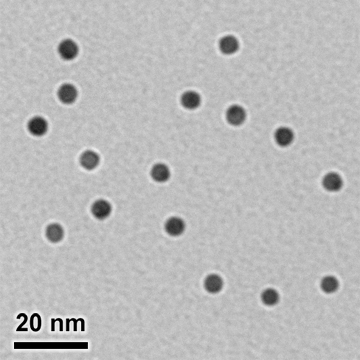
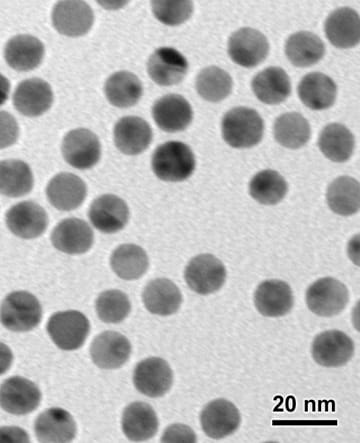
However, in the meantime there are some problems for which colloidal gold may be the only answer, and we are asked about it quite frequently. To help immunogold users in general, we have left our technical help page for colloidal gold on our web site; this addresses several of the questions we are most frequently asked. Among the pieces of general information that users most frequently wish to know is the concentration of colloidal gold particles, and the number of antibody or streptavidin particles conjugated to each colloidal gold particle.
Particle concentration:
From spectroscopic measurements on freshly prepared colloidal gold sols of different sizes, we have calculated the concentrations of gold particles in our commercial preparations of colloidal gold. These values assume that all the tetrachloroaurate used for the preparation is converted to colloidal gold, and that the gold particles are composed of metallic gold of density 19.31 grams per mL:
| Average particle diameter (nm) | OD value (wavelength) | Particles per mL | [Particles] (nmol per mL) |
| 3 | 10.0 (360 nm) | 7.86 x 10¹⁴ | 1.3 |
| 5 | 3.0 (520 nm) | 7.86 x 10¹⁴ | 0.32 |
| 10 | 3.0 (520 nm) | 2.09 x 10¹³ | 0.034 |
| 15 | 4.0 (520 nm) | 8.20 x 10¹² | 0.013 |
| 30 | 5.0 (520 nm) | 1.13 x 10¹² | 0.0019 |
To use this table to find the concentration of colloidal gold particles in your sample, multiply the value by the OD of your specimen and divide by the OD given in the table.
Number of antibody or streptavidin molecules conjugated to each gold particle:
| Average particle diameter (nm) | Surface area (nm2 (wavelength) | IgG molecules per gold particle | [IgG] (nmol per mL) | Streptavidin molecules per gold particle | [Streptavidin] (nmol per mL) |
| 3 | 28.3 | 1 | 1.3 | 1 | 1.3 |
| 5 | 78.5 | 1 | 0.32 | 1.6 | 0.51 |
| 10 | 314 | 3.5 | 0.12 | 6.3 | 0.21 |
| 15 | 706 | 7.8 | 0.10 | 14.1 | 0.18 |
| 30 | 2,827 | 31.4 | 0.060 | 56.5 | 0.11 |
Conventionally, colloidal gold is stabilized with additional macromolecules in addition to the conjugated antibody or other targeting agent. Alternative stabilizing agents include:
The critical aspect of a colloidal gold preparation is the conjugation of the antibody to the gold; if this is done correctly, the choice of additional macromolecules will have a limited or negligible impact on the properties of the conjugate. Research Diagnostics, Incorporated have an effective procedure on their web site. This article covers all the important aspects of colloidal gold conjugation:
You can replace the BSA, which is used in the Research Diagnostics protocol as the additional biomolecule, with the alternatives listed above.
Highly colored particles, including colloidal gold, are used to generate the colored signals in immunochromatographic lateral flow devices - the "rapid tests" that you might use to detect pregnancy, or diagnose an infection quickly in a doctor's office. In general, the colloidal gold particles used for immunochromatographic devices are 40 nm in diameter or larger: this is larger than our 1.4 nm Nanogold® particles and larger than the colloidal gold most frequently used for microscopic applications. Consequently, relatively few particles are needed to form a signal that can be seen by eye once they have been captured or bound to a target on an immunochromatographic device.
Nanogold, because of its smaller size, requires autometallographic enhancement for visualization if it is used in these applications, and when combined with these methods, produces a highly sensitive signal. Nanoprobes offers both silver and gold enhancement which may be used to develop Nanogold for optical observation. When developed with these reagents, Nanogold can provide significantly enhanced sensitivity: in dot blots, silver-enhanced Nanogold has demonstrated improvements of an order of magnitude or more over colloidal gold.
The simplest approach is to "develop" the device by applying the mixed reagents to it after it has been run and the gold-labeled antibody has bound to its target. However, the fabrication of an assay device in which a silver salt for silver enhancement is incorporated into the device itself, and activated when the sample is applied, has been described in the literature. The construction of such a device, and a comparison with a conventional colloidal gold lateral flow device, is shown below.
| Construction of a lateral flow device using colloidal gold (left), and colloidal gold with silver enhancement (right). |
The preparation of gold conjugates and the construction of immunochromatographic assays is a complex field in which much of the critical information is difficult to find or not publicly available. One reference which serves as a good introduction is found in IVD Technology magazine:
Because this application has not been extensively investigated with Nanogold, we do not offer a specific procedure for making Nanogold conjugates for immunochromatographic applications. We recommend antibody labeling with Monomaleimido Nanogold according to our usual protocols; the conjugate product may then be incorporated into immunochromatographic devices in the same manner as larger colloidal gold conjugates.
Reference for silver-enhanced lateral flow assay device:
More information:
. . . . . . . . . . . . . . . . . . . . . . . . . . . . . . . .
The immediate early gene, activity-regulated cytoskeleton-associated protein (Arc), has been implicated in synaptic plasticity. However, the role of Arc in alcoholism is unknown. The authors used immunogold-silver staining with image analysis to quantitate the levels of protein expression to study the changes in expression of a number of proteins associated with Arc activity.
A gold immunolabeling histochemical procedure was used to measure protein levels. Rats were anesthetized with pentobarbital (50 mg/kg), then perfused intracardially with n-saline (100 mL), followed by 400 ml of 4% ice-cold paraformaldehyde fixative. Brains were removed and placed in fixative for 20 hours at 4°C, then soaked in 10%, followed by 20% and then 30% sucrose in 0.1 M phosphate buffer at pH 7.4. Brains were then frozen, and 20 &181;m coronal sections prepared using a cryostat. These sections were washed (2 x 10 minutes) with 0.01 M phosphate-buffered saline (PBS), blocked with RPMI 1640 (with L-glutamine) medium for 30 minutes followed by 10% normal goat serum (diluted in PBS containing 0.25% Triton X-100) for 30 minutes at room temperature. Sections were incubated with 1% BSA in PBS containing 0.25% Triton X-100) for 30 minutes at room temperature, then further incubated with one of the following primary antibodies: antipCREB (Ser133); total Erk1/2 (tErk1/2); pErk1/2; pElk-1 (Ser383); Arc, trkB or BDNF [1:500 dilution for pCREB, 1:200 dilution for BDNF (N-20; H-117), trkB (SC-12), and Arc (H-300), or 1:200 dilution for pElk-1, tErk1/2, and pErk1/2] in 1% BSA in PBS containing 0.25% Triton X-100) for 18 hours at room temperature. After two washes for 10 minutes each with PBS and two for 10 minutes each with 1% BSA in PBS, sections were incubated with Nanogold anti-rabbit or anti-mouse secondary antibody diluted 1:200 dilution in 1% BSA in PBS) for 1 hour at room temperature. Sections were rinsed several times with 1% BSA in PBS then double-distilled water; the gold immunolabeling was then developed using a silver enhancement solution for 15–20 minutes, and sections washed several times using tap water.
The sections were mounted on slides, and quantification of gold-immunolabeled proteins performed using the Image Analysis System (Loats Associates, Westminster, MD) connected to a light microscope. Each image was thresholded to a level where an area without staining produced zero counts. Under this condition, immunogold particles in the defined areas of three adjacent brain sections of each rat were counted at high magnification (100 x), and then values were averaged for each rat. The results were represented as the number of immunogold particles/100 µm2 area of a defined amygdaloid structure.
The anxiolytic effects of acute ethanol were found to be associated with increased brain-derived neurotrophic factor (BDNF) and tyrosine kinase B (trkB) expression, increased phosphorylation of extracellular signal regulated kinases 1/2 (Erk1/2), Elk-1, and cAMP responsive element-binding protein (CREB), increased Arc expression, and increased dendritic spine density (DSD) in both the central amygdala (CeA) and medial amygdala (MeA) but not in the basolateral amygdala (BLA) of rats. Conversely, the anxiogenic effects of withdrawal after long-term ethanol exposure were associated with decreased BDNF and trkB expression, decreased phosphorylation of Erk1/2, Elk-1, and CREB, decreased Arc expression, and decreased DSD in both the CeA and MeAbut not in the BLA of rats. The results also demonstrated that BDNF infusion into the CeA normalized phosphorylation of Erk1/2, Elk-1, and CREB and normalized Arc expression, and hence protected against the onset of ethanol withdrawal-related anxiety. Arresting Arc expression in the CeA was shown to decrease DSD, thereby increasing anxiety-like and alcohol-drinking behaviors in control rats. These results revealed that BDNF–Arc signaling and the associated DSD in the CeA, and possibly in the MeA, may be involved in the molecular processes of alcohol dependence and co-morbidity of anxiety and alcohol-drinking behaviors.
Reference:
More information:
. . . . . . . . . . . . . . . . . . . . . . . . . . . . . . . .
At Nanoprobes, we have now extended gold-based cancer therapy to the in vivo application of gold nanoparticles. Gold absorbs X-rays more strongly than most tissue, and this causes more dose to be locally deposited at sites where they accumulate. Vascularization of tumors provides a natural mechanism for accumulation of gold nanoparticles of specific sizes, and if a tumor could be specifically loaded with gold, the tumor dose would be increased, and radiotherapy would be enhanced. Our recent article in Physics in Biology and Medicine confirms that this is possible.
Mice bearing EMT-6 mammary carcinomas received a single intravenous injection of 1.9 nm-diameter gold particles (Nanogold-X), up to 2.7 g Au/kg body weight, which elevated concentrations of gold to 7 mg [Au]/g in tumors. Tumor-to-normal-tissue gold concentration ratios remained ~8:1 during several minutes of 250 kVp X-ray therapy. One-year survival was 86% versus 20% with X-rays alone and 0% with gold alone. The increase in tumors safely ablated was dependent on the amount of gold injected. The gold nanoparticles were apparently non-toxic to mice and were largely cleared from the body through the kidneys. This novel use of small gold nanoparticles permitted achievement of the high metal content in tumors necessary for significant high-Z radioenhancement.
For imaging, Nanoprobes has recently introduced AuroVist™, the first gold nanoparticle X-ray contrast agent for microCT. This may be used for angiography, in vivo vascular casting, and imaging of specific organs, such as kidneys, or tumors. Some examples are shown below:
| (Upper left): Live mouse, 5 minutes after injection. (Upper right) Imaging of kidney in live mouse 1 hour after injection, showing kidney contrast and fine structure (bar = 1 mm). (Lower left): Live mouse, 2 minutes after injection showing vascular fine structure (bar = 5 mm); (Lower right) MicroCT of mouse inferior vena cava (bar = 1 mm). |
The applications of nanotechnology to cancer therapy are reviewed in a recent article in CA: A Cancer Journal for Clinicians. The review discusses the applications of nanoparticles of different types both as imaging agents and as potential therapeutics, both as drug delivery agents and as targeted therapeutics.
References:
Gold nanoparticles enhance radiotherapy:
More information:
. . . . . . . . . . . . . . . . . . . . . . . . . . . . . . . .
Note that our prices do not include shipping and packaging charges, which we usually pre-pay and add to the invoice, or duties and taxes, which are usually billed directly to the customer. These charges can be substantial, and if you are outside the United States, you may often find it more convenient and less expensive to order from one of our International Distributors. Our distributors cover most North American, European and Asian countries. For your convenience, our web site includes a distributor catalog which links from the catalog information on each page to our distributor list.
We'd like to add distributors for our customers in Latin America and Africa...so if you represent these markets and wish to distribute our products, please let us know.
Nanoprobes recently welcomed Alina Sikar-Gang to our team. She brings extensive experience with biomedical technology in a variety of settings. She will be helping us to develop our gold nanoparticle-based imaging agents and therapeutics
More information:
. . . . . . . . . . . . . . . . . . . . . . . . . . . . . . . .
Reference:
Spectral imaging is another emerging method in immunostaining with the potential to provide expanded multiplexing. Spectral imaging is the analysis and rendering of chromogenic staining using the UV/visible spectrum from each pixel. It can be used to separate colors that appear similar to the naked eye, this providing both better deconvolution of overlapping signals, and enabling double labeling using probes that may be insufficiently distinct for visual differentiation. In another paper in the current Journal of Histochemistry and Cytochemistry, van der Loos describes the use of spectral imaging to provide up to quadruple labeling using suitably unmixable chromogens. Traditionally, double immunoenzyme staining has used chromogens selected to provide maximum color contrast when observed with the unaided eye; however, because there are very few appropriate color combinations, visually good color combinations always include at least one diffuse chromogen. With spectral imaging, multicolor microscopy can be unmixed in individual images based on their spectral characteristics, and spectral unmixing can be performed even up to quadruple immunoenzyme staining. The author describes practical suggestions for immunoenzyme double staining procedures for some frequently encountered primary antibody combinations, including rabbit–mouse, goat–mouse, mouse–mouse, and rabbit–rabbit, with suggested protocols suitable for a classical red-brown color combination plus blue nuclear counterstain that comprise peroxidase activity (diaminobenzidine tetrahydrochloride), alkaline phosphatase activity (Liquid Permanent Red), and hematoxylin, respectively. Although the red and brown chromogens do not contrast very well visually, they both show a crisp localization and are readily unmixed by spectral imaging.
Reference:
Here's a paper that's good enough to be published twice...well, actually it was first published in October last year when we covered it in this newsletter, separate from the special issue of the Journal of Structural Biology for which it was intended. That special issue has now appeared, and Sousa, Leapman and co-workers' study of 3-D Distribution of Nanogold® and Undecagold by STEM Tomography has a second home. The special issue (vol. 161, number 3) is dedicated to the 4th International Conference on Electron Tomography held at Paradise Point Resort in San Diego, CA, 05-08 November 2006. In addition to this reprint, it contains many other useful papers on this technique, and abstracts from the meeting are available even to non-subscribers.
Reference:
. . . . . . . . . . . . . . . . . . . . . . . . . . . . . . . .
To unsubscribe from this newsletter, simply reply to the e-mail version, and replace the subject line with "unsubscribe." Alternatively, visit our web site newsletter page at http://www.nanoprobes.com/Newsletter.html#unsubscribe.